Which Emerging Applications Are Reshaping the Niobium Market in 2026?
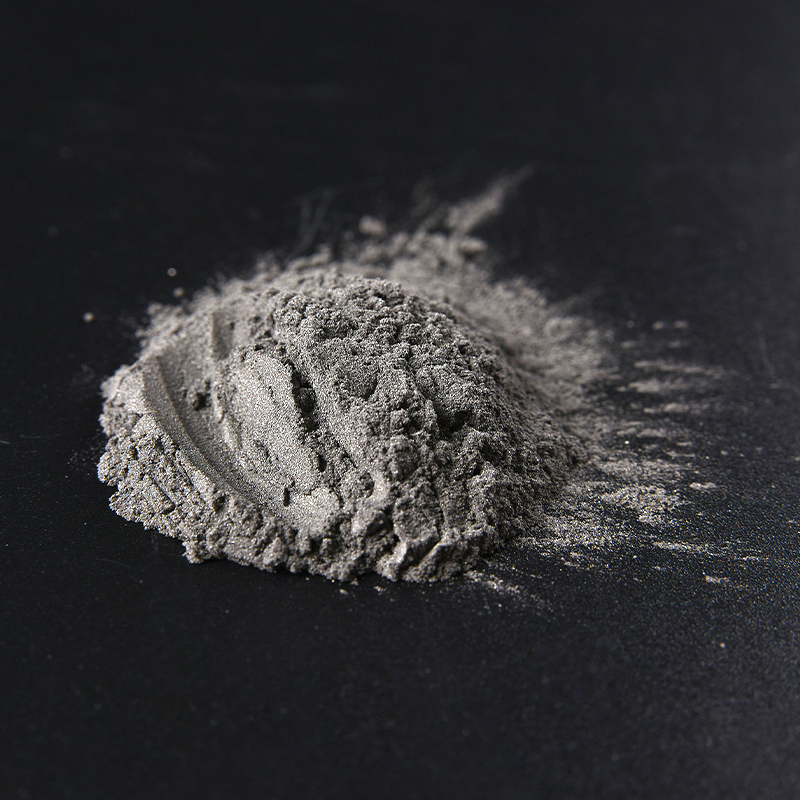
The 2026 niobium market is being reshaped by three converging forces: rising consumption of niobium-titanium wire for superconducting magnets, expanding use of niobium sputtering targets and evaporation materials in semiconductor fabrication, and steady growth in niobium-bearing superalloys for aerospace engines. Buyers who once compared suppliers mainly on price are now weighing purity traceability, batch consistency, and the ability to supply 5N, 6N, and 7N grades on demand, since these factors directly determine whether a niobium lot is usable in a fabrication line or a magnet coil.
Cén Fáth a Bhfuil Teicneolaíocht Sársheoltóra ag Tarraingt Níos Mó Niobium I mBuiséid 2026
Niobium-titanium alloy remains the workhorse conductor for magnetic resonance imaging systems, and hospital equipment upgrades continue to keep this segment stable year over year. Is é an rud atá athraithe ná an t-éileamh comhthreomhar a thagann ó bhonneagar fisice ar scála mór. Particle accelerator facilities and experimental fusion magnet programs use niobium and niobium-tin conductors because of their superconducting transition properties at cryogenic temperatures, and several of these programs have moved from design into procurement phases in 2026. A newer driver is superconducting quantum computing hardware, where niobium thin films are deposited to form resonators and qubit circuits. This application does not need bulk tonnage, but it does require exceptionally clean material, which is why interest in 6N and 7N niobium has grown even though volumes stay modest compared with steel alloying demand.
Mar a thacaíonn Ard-íonacht Niobium le Táirgeadh Sprioc Leathsheoltóra agus Sputtering
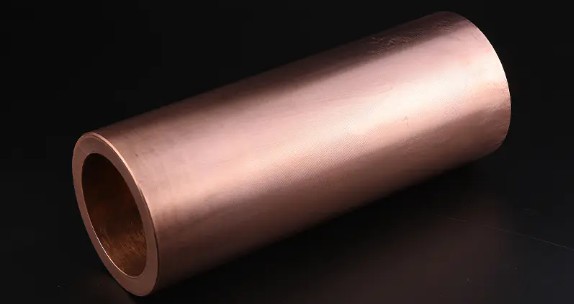
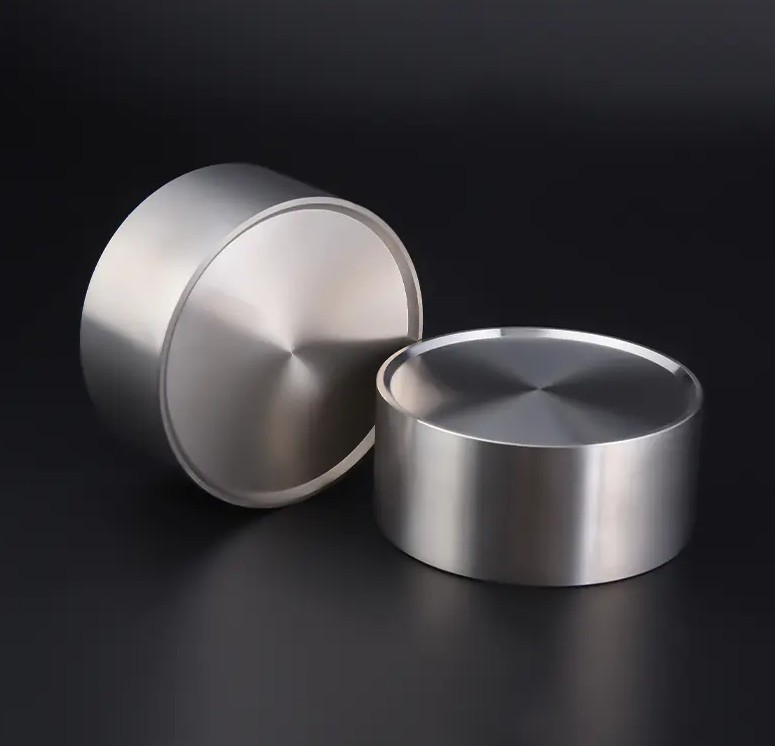
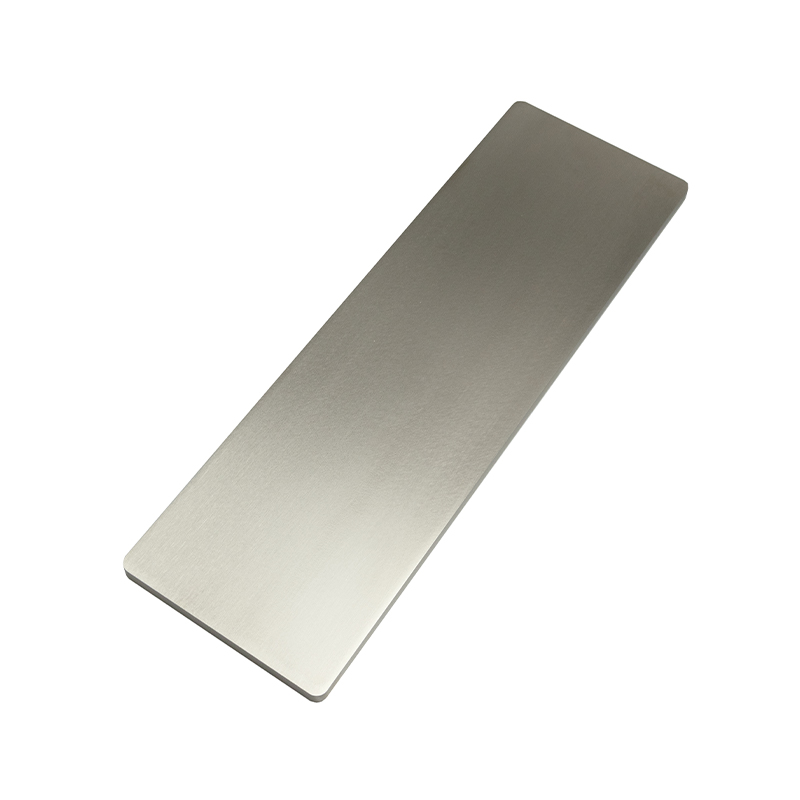
Taobh istigh de fab leathsheoltóra, ní úsáidtear niobium mar mhiotal struchtúrach ach mar scannán tanaí feidhmiúil. Sputtering targets and evaporation materials made from high purity niobium are used to deposit barrier layers, resistive films, and dielectric-related coatings on wafers. Any oxygen, carbon, or trace metal contamination in the source material can transfer directly into the film, so fabs sourcing from a semiconductor grade metals supplier typically specify 5N as the practical minimum and move to 6N for more sensitive process nodes. This is one reason niobium has followed the same purity trajectory as other target metals like titanium and copper, where a high purity Ti supplier and a niobium supplier are frequently qualified together under the same vendor audit, since both feed the same deposition tool sets.
Cé na Feidhmchláir Aerospace agus Superalloy atá ag Leathnú Úsáid Niobium
The largest volume application for niobium worldwide is still microalloying in high-strength low-alloy steel, and that base demand has not disappeared in 2026. What is expanding on top of it is niobium's role in nickel-based superalloy materials used for turbine blades, combustor liners, and other hot-end aerospace components. Niobium raises high-temperature strength and improves resistance to thermal fatigue, which matters as engine manufacturers push operating temperatures higher to gain fuel efficiency. Niobium also contributes corrosion resistance in chemical processing equipment and specialty piping, a lower-visibility but steady source of demand alongside the aerospace growth.
Cad a chiallaíonn na Gráid Íonachta 5N, 6N, agus 7N do Cheannaitheoirí Niobium
Ní sonraí margaíochta é lipéadú íonachta; cinneann sé cé acu feidhm is féidir le baisc niobium a sheirbheáil i ndáiríre. Déanann an tagairt thíos achoimre ar an gcaoi a bhfuil na gráid choiteanna ag baint úsáide as an bhfíorshaol.
Grád Íonachta
Íonachta tipiciúla
Cás Úsáide Príomhúil
5N Niobium
99.999%
Spriocanna ginearálta leathsheoltóra, bruithniú cóimhiotail, stoc cothaithe de ghrád toilleora
6N Niobium
99.9999%
Ardspriocanna sputtering, sil-scannán tanaí, ábhair ghalúcháin
7N Niobium
99.99999%
Comhpháirteanna taighde superconducting, iarratais leictreonacha beachtas
Táirgí Miotail Ard-íonachta Gaolmhara
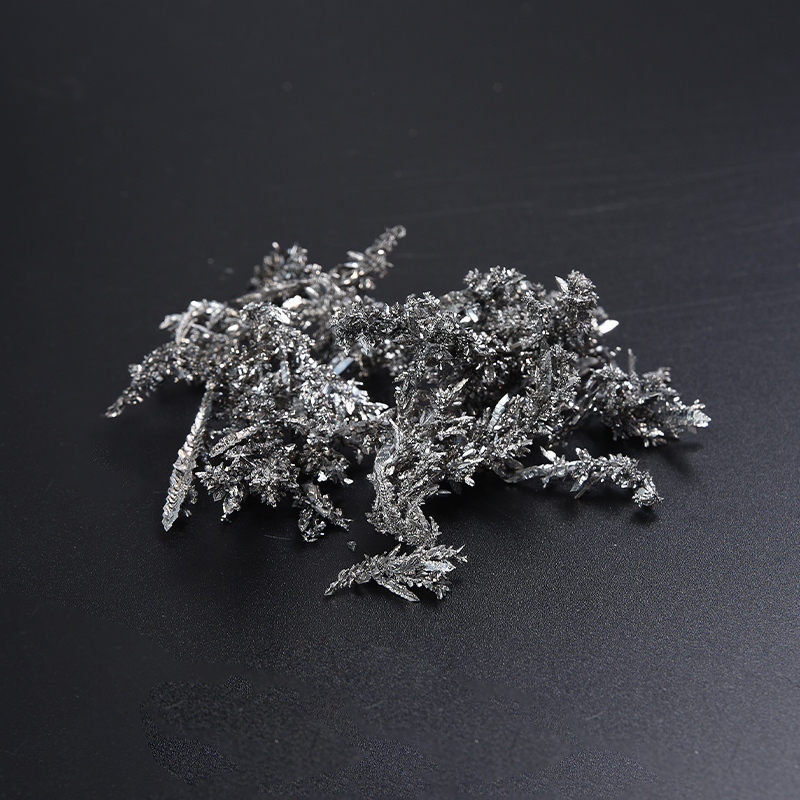
Is annamh a bhíonn Niobium cáilithe ar a shon féin. Fabs and alloy producers usually evaluate it alongside other high purity metals from the same ultra high purity metals manufacturer, since sputtering targets, evaporation materials, and superalloy feedstock are often sourced under one supplier audit.

Conas Soláthraí Ábhar Niobium agus Ardíonachta a Mheastóireacht
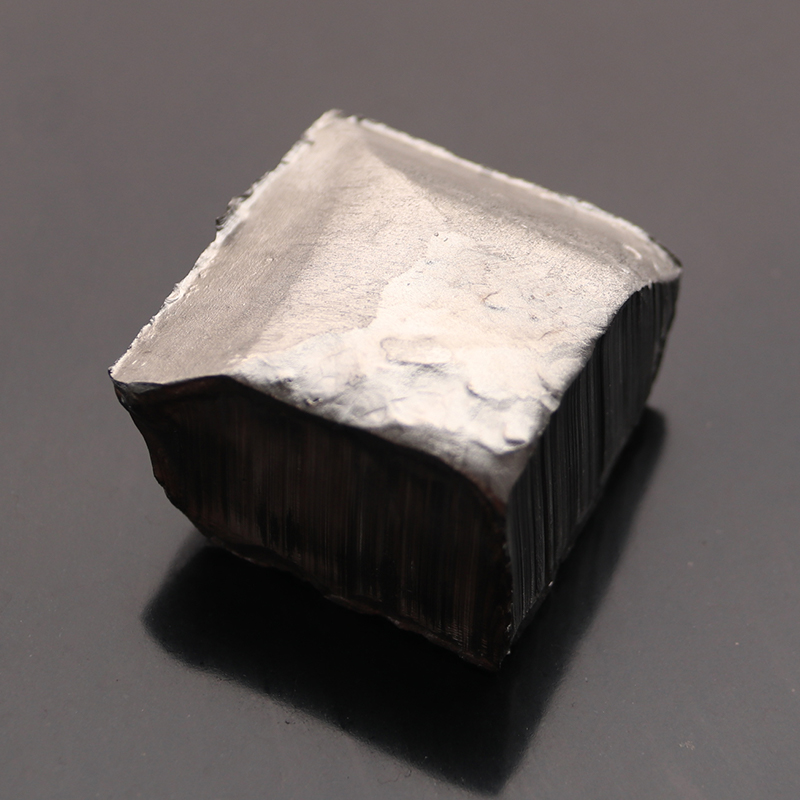
Because niobium applications range from bulk alloy smelting to sub-micron thin films, a single supplier rarely fits every buyer with the same product line. Cuidíonn roinnt seicphointí praiticiúla chun an cuardach a chaolú:
- Doiciméadú íonachta: a credible high purity materials supplier should provide lot-specific test data for oxygen, nitrogen, carbon, and metallic trace elements, not just a stamped purity percentage.
- Raon grád: having 5N through 7N under one roof lets a buyer scale from structural or smelting use up to semiconductor grade metals without switching vendors mid-project.
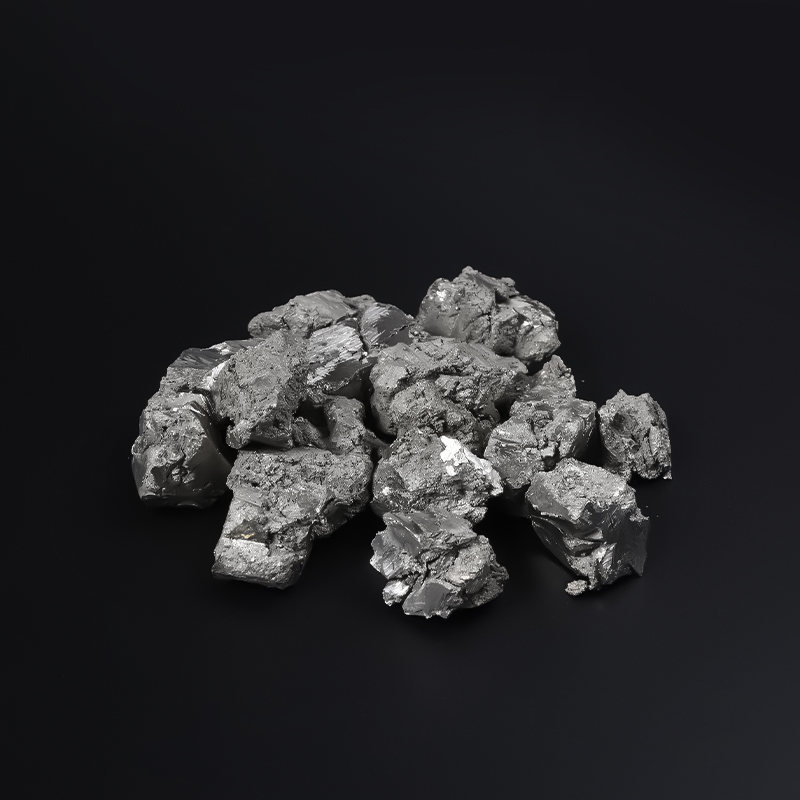
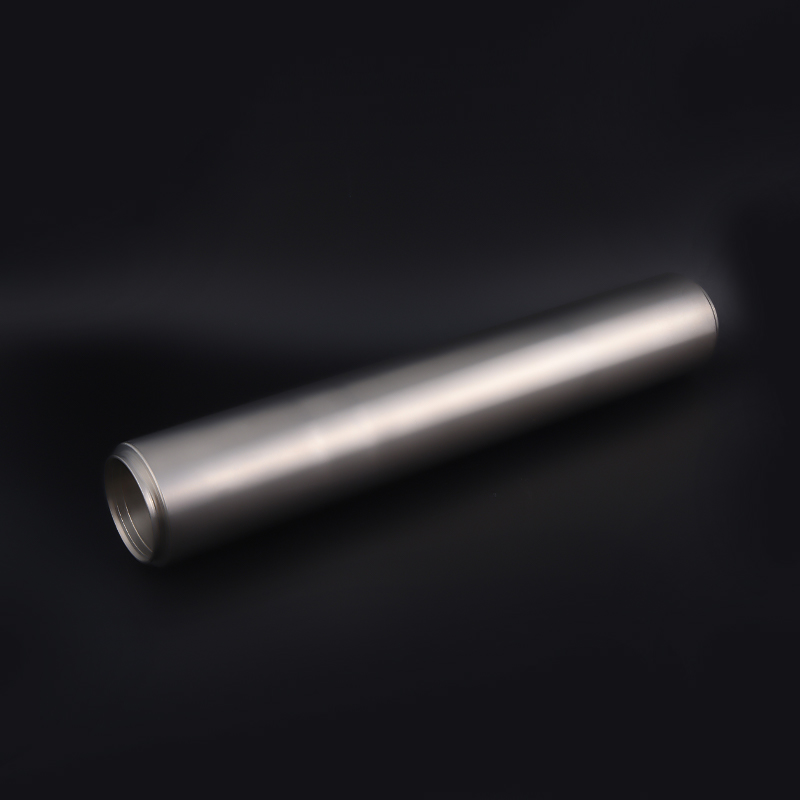
- Solúbthacht fachtóir foirme: ba cheart go mbeadh tinní, ábhar cnapáin bruithnithe, spriocanna, agus cruthanna saincheaptha ar fáil, mar is annamh a bhíonn an fhoirm fhisiceach chéanna ag teastáil ó chustaiméirí aeraspáis agus leathsheoltóra.
- Pacáistiú le haghaidh ábhar íogair: vacuum sealing, inert gas protection, and pearl cotton or foam-lined crating matter more for niobium than for many other metals, since surface oxidation can quietly downgrade a high purity batch during transit.
An Sa chás go bhfuil Éileamh Niobium Ar Aghaidh
Níl aon cheann de na tiománaithe thuas ag athsholáthar bonn cóimhiotail cruach traidisiúnta niobium; tá siad ag cruachadh ar a bharr. Imlíníonn an tagairt thíos an dearcadh garthéarmach de réir limistéir iarratais.
Réimse Iarratais
Treocht Éileamh 2026
Grád tipiciúla ag Teastáil
Maighnéid superconducting agus crua-earraí taighde
Éirí Amach, tionscadal-tiomáinte
6N to 7N
Sputtering agus galú leathsheoltóra
Ag méadú go seasta
5N go 6N
Sár-chóimhiotail aeraspáis agus páirteanna deireadh te
De réir a chéile ag leathnú
Grád cóimhiotal caighdeánach
Micreachalloying cruach HSLA
Cobhsaí, bonn toirte is mó
Grád cóimhiotal caighdeánach
I gcás ceannaitheoirí atá ag déanamh meastóireachta ar sholáthraithe sa timpeallacht seo, is é an t-iarratas beir leat a mheaitseáil leis an gciseal íonachta ceart seachas é a mhainniú go dtí an grád is airde atá ar fáil. Is annamh a thugann úsáidí struchtúracha agus bruithnithe údar le praghsáil 7N, agus is annamh a fhulaingíonn obair scannán tanaí agus sársheoltóireachta rud ar bith faoi bhun 5N. Trí oibriú le soláthraí a tháirgeann cóimhiotail saincheaptha ar fud 5N, 6N, agus 7N faoi chóras cáilíochta amháin, tá sé níos éasca bogadh idir na sraitheanna seo mar scálaí tionscadail.
CÉ MUID
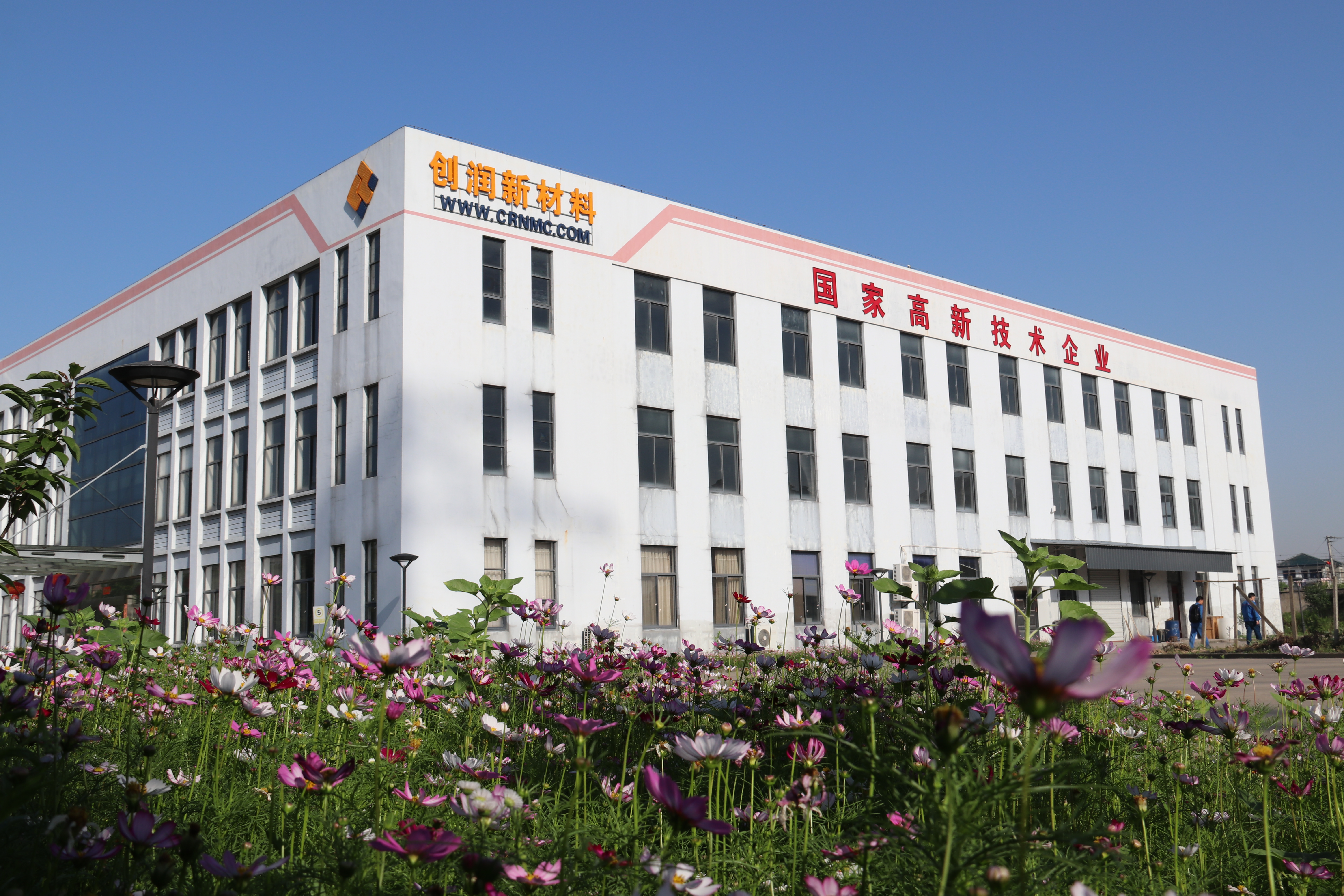
Bunaíodh Ningbo Chuangrun New Materials Co., Ltd (CRNMC) i mí an Mheithimh 2012 agus tá cúig bhonn táirgeachta aige ar fud na Síne. Táimid tiomanta do íonú, leá, réitigh, agus próiseáil tíotáiniam ard-íonachta, nicil, copar, niobium, cóbalt, etc., agus soláthraímid raon iomlán de mhiotail ghrád leictreonacha, mar shampla criostail leictrealaíoch ard-íonachta, dtinní, tinní brionnaithe, púdair, agus plátaí.
Tá ár bhfoireann comhdhéanta de shaineolaithe tionscail agus foireann fiontraíochta de 40 gairmí le cúlra miotalóireachteach, agus tá gach duine acu tiomanta do thionsclaíocht ábhar ard-deireadh.
Faoi láthair, tá leagan amach a slabhra tionscail ábhar ultra-íon críochnaithe ag an gcuideachta chun cáilíocht, seachadadh ar-am, agus seirbhís fheabhsaithe do chustaiméirí a chinntiú.
Tá an fhoireann ar fad tiomanta agus spreagtha agus táim ag tnúth le freastal ar riachtanais an chustaiméara.
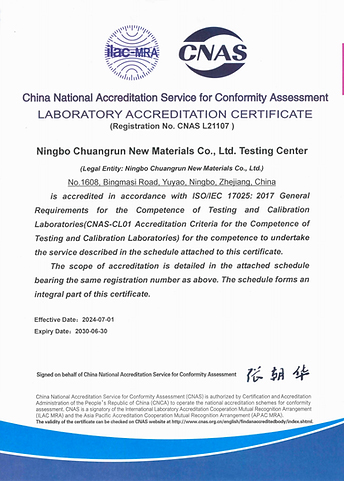
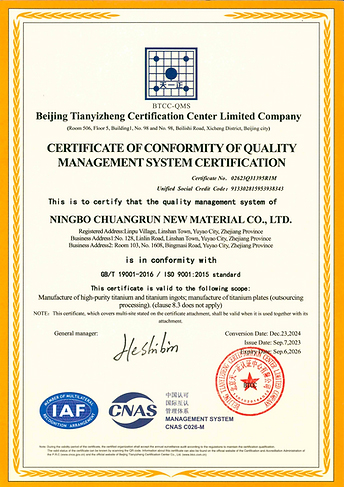
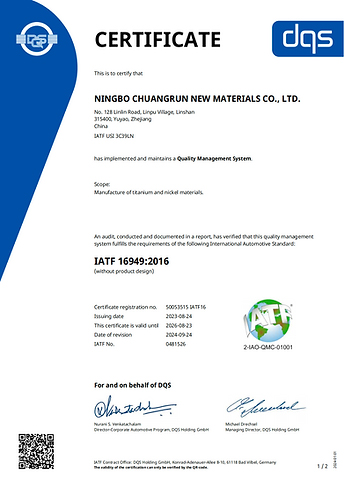
DEIMHNITHE
RÉAMHAS & MEÁIN